

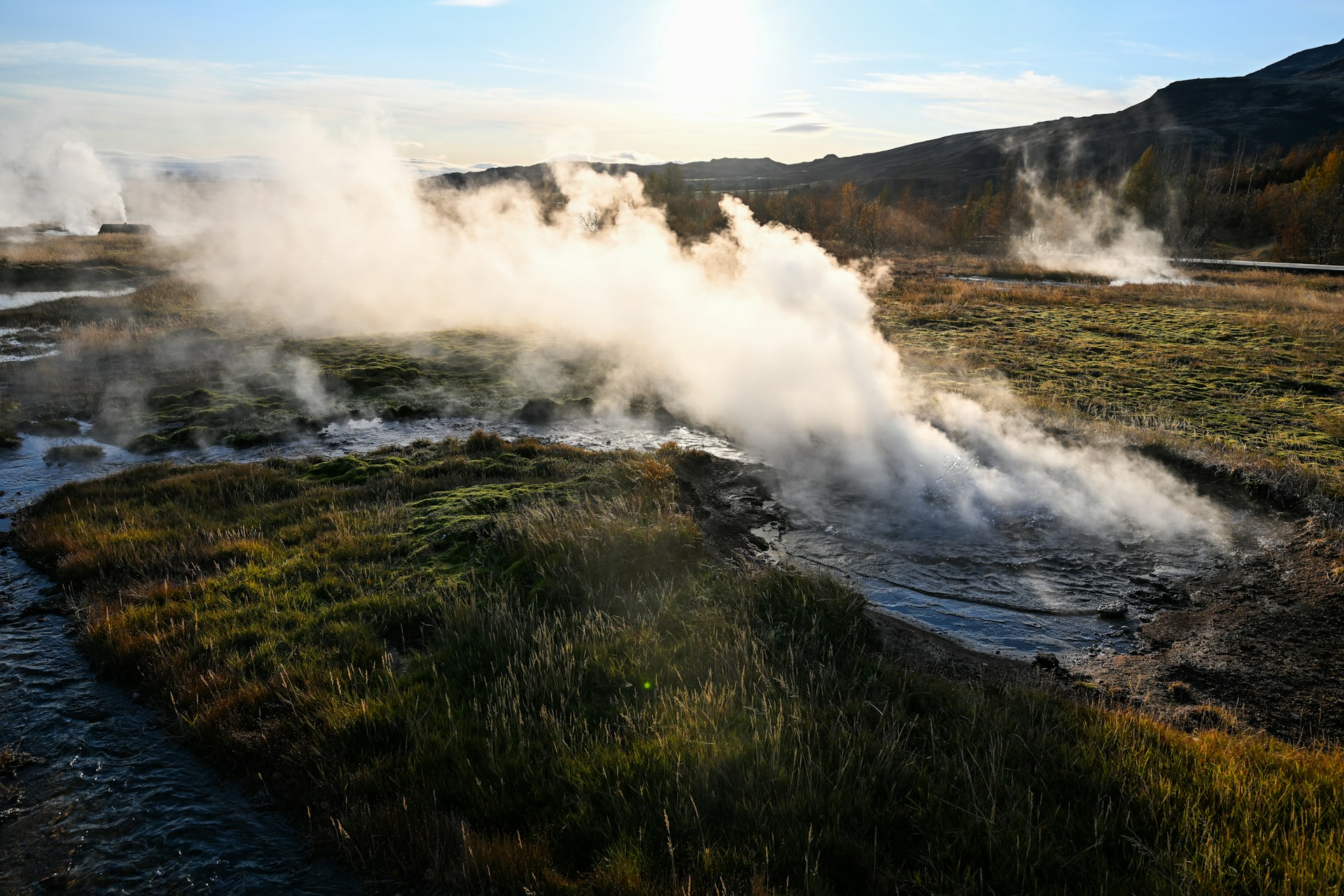
According to a recent analysis by the International Energy Agency (IEA), geothermal energy is experiencing a major resurgence of interest from investors. This is being driven by the emergence of new-generation technologies, in particular Enhanced Geothermal Systems (EGS), based on the creation of artificial reservoirs, and closed-loop systems, which extract heat without contact with the productive subsurface. Thanks to these technologies, geothermal energy could become viable far beyond the usual volcanic or tectonic zones.
According to the IEA, in 2025, $2.2 billion was invested in new-generation geothermal energy, an increase of 80% in one year. The technology is gaining credibility, driven by advances in drilling and long-term power purchase agreements that secure revenues and facilitate access to debt. Conventional geothermal energy is also benefiting from this momentum, with several billion dollars invested in electricity generation and heating networks.
Another game-changing factor is lithium. Its extraction from geothermal brines could generate additional revenue while helping to secure the supply of minerals that are critical for batteries.
And the prospects are far from marginal! The IEA estimates that if technological innovations progress and costs continue to fall, next-generation geothermal energy could cover up to 15% of global electricity demand growth by 2050.
However, large-scale deployment requires a number of conditions, including reduced drilling risks, clear regulatory frameworks, simplified permitting procedures, public support for innovation, and better valuation of continuous production in electricity markets.